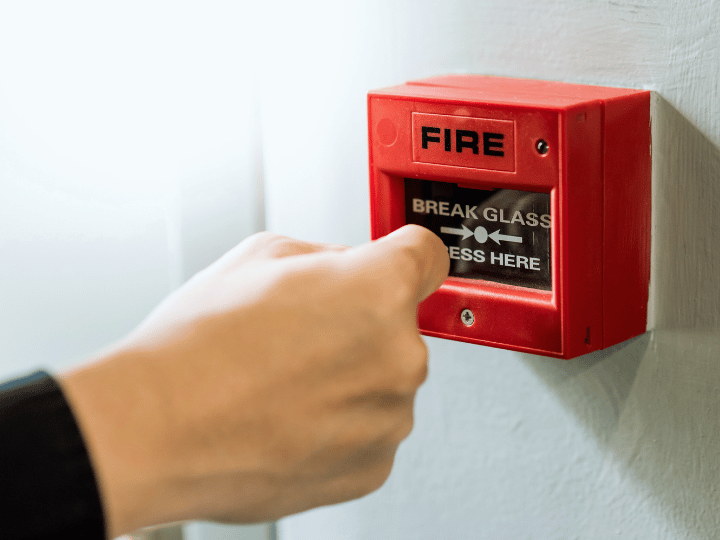
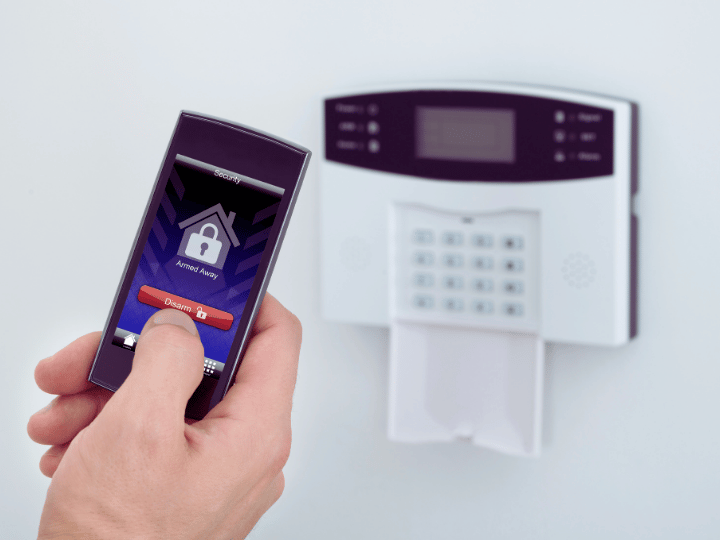
A property manager running a multi-story apartment building or a mixed-use commercial property in Connecticut faces a problem an older fire alarm system makes worse, not better. When a conventional fire alarm trips at two in the morning, the panel reports a zone, not a device, which can mean an entire floor or wing rather than a single unit. Someone has to walk that whole zone to find the cause while every tenant stands outside. An intelligent addressable fire alarm reports the exact device that activated and exactly where it is, which is why so many Connecticut property managers are upgrading. The right New Haven commercial fire alarm specialists can make that upgrade align with the Connecticut State Fire Safety Code and the building's actual layout, and for property managers across the New Haven, Norwalk, New Britain, and Hartford markets, the difference between a conventional panel and an addressable one is becoming the difference between a manageable building and a frustrating one.
The distinction comes down to how the devices talk to the panel. A conventional fire alarm system wires its detectors and pull stations into zones along a circuit, and when any device in a zone activates, the fire alarm control panel, the central unit that receives the signals and triggers the alarm, knows only that something in that zone tripped. It cannot tell which detector, only which area. An addressable fire alarm system gives every device, each smoke detector, heat detector, and manual pull station, a unique digital address on a loop, so the panel identifies the specific device that activated and its exact location. That single difference changes how a building responds to an alarm and how a property manager maintains the system over its life.
For a small, simple building, the zone-level information a conventional system provides is often adequate, because there are few enough spaces in each zone that staff can check the whole area quickly. The math shifts the moment a building gets larger, taller, or more complex. A multi-story apartment complex, a mixed-use property, a school, or an industrial facility has too many spaces per zone for that approach to work well, and the inability to pinpoint a device turns every alarm into a search. This is the practical reason a fire alarm company steers medium-to-large Connecticut properties toward addressable systems: the building's complexity has outgrown what conventional zoning can tell anyone.
A conventional fire alarm reports which zone tripped but not which detector, so finding the cause can mean searching an entire floor or wing. An addressable system gives each device a unique digital address, so the panel names the exact device and location. In an emergency, that is the difference between a fast, targeted response and a building-wide search.
A conventional fire alarm often needs new zone wiring every time a building reconfigures or adds space. An addressable system can usually accommodate additional devices on its existing loop, so a property that renovates or grows avoids repeated rewiring cost and downtime. For a property manager running a building that changes over the years, that scalability is a real long-term saving.
Many fire alarm false trips come from detectors that grow oversensitive as dust accumulates. Addressable systems use drift compensation to automatically adjust for that buildup, and their device-level diagnostics flag a failing detector before it causes a nuisance trip. Since many Connecticut municipalities fine properties for repeat false alarms, fewer nuisance trips means lower recurring cost, not just fewer interruptions.
When an addressable fire alarm activates, the panel and the central station receive device-level information, which means the responding fire department arrives knowing the exact location of the triggered device rather than a general zone. In a fire, that specificity saves time, and time is the entire point of a fire alarm. For a property manager, it also changes the daily experience of running the building. A single smoking pan in one unit does not require evacuating and inspecting an entire wing, because the panel names the device. The alarm becomes information rather than a guessing game, and that is a large part of why Connecticut property managers who have lived with conventional panels are the ones most motivated to upgrade.
An addressable system also communicates continuously with each device on the loop, checking for faults and maintenance needs rather than waiting for a failure to surface. The panel knows when a detector is dirty, drifting out of calibration, or failing, and it reports that condition by device. A good fire alarm company uses this device-level diagnostic capability to keep a building's system healthy between inspections, catching a failing detector before it becomes either a missed detection or a nuisance trip. That continuous supervision is the intelligence in an intelligent addressable system, and it is something a conventional panel simply cannot provide.
Property managers feel the limits of a conventional fire alarm more acutely than most building owners, because they live with the operational consequences every day. The clearest pain is the false alarm. A conventional system that cannot isolate a single drifting detector tends to produce nuisance trips, and every one of those means tenants in the street, a fire department dispatch, and, in many Connecticut municipalities, a false alarm fee. Many Connecticut towns run alarm registration and false alarm reduction initiatives that fine properties for repeated false alarms, so a panel that trips without cause is not only a tenant-relations problem, it is a recurring line-item cost. An addressable system's drift compensation, which automatically adjusts for the gradual dust buildup that makes detectors oversensitive, reduces those nuisance trips substantially.
The second driver is the cost and disruption of changes over time. A multi-family or commercial property is rarely static: units get renovated, spaces get reconfigured, a building adds square footage. A conventional system often requires new zone wiring every time the building changes, which means cost and downtime. An addressable system can usually accommodate additional devices on the existing loop without major rewiring, so a property that expects to change over the years avoids repeated rewiring expense. For a property manager weighing the upfront cost of an addressable upgrade against the conventional alternative, the lower long-term wiring, maintenance, and false-alarm costs are what make the math favor addressable on a building of any real size.
The false alarm exposure deserves its own attention because property managers consistently underestimate it. A single conventional panel in a large building can generate repeated nuisance trips across a year, and where a Connecticut municipality charges escalating fees for repeat false alarms, those add up to a real annual number on top of the tenant frustration and the wear on the fire department relationship. The fix is not just monitoring, it is system design. An addressable fire alarm with device-level drift compensation and proper detector placement removes the root cause of most nuisance trips rather than just responding to them faster. A fire alarm company that designs the system around the building's actual conditions, the kitchens, the parking structures, the dusty mechanical rooms, is addressing the false alarm problem at its source.
This is also where the integration of fire alarm with the rest of a property's systems matters. An addressable fire alarm can coordinate with elevator recall, HVAC shutdown, and emergency lighting, triggering the building-wide response a fire requires rather than just sounding a horn. For a property manager, having that coordination designed and documented by one fire alarm company that also handles the building's cameras, access control, and intrusion systems means the fire alarm is part of one accountable system rather than a standalone box that no single vendor fully understands.
Mammoth Security designs and installs conventional and addressable fire alarm systems across Connecticut to meet NFPA standards and the requirements of the Connecticut State Fire Safety Code and the local fire marshal, using established fire lines including Potter, Kidde, Honeywell, and Simplex. For a property manager considering an upgrade, the process starts with a free security assessment that reads the building's size, layout, occupancy, and the conditions that drive false alarms, then matches the system to what the building actually needs rather than to a default. Where a property's complexity calls for an addressable fire alarm control panel, Mammoth designs the loop, assigns and programs the device addresses, and pairs the detection with horn strobe notification appliances and, where occupancy requires it, voice evacuation.
As a fire alarm company that handles the full project, Mammoth coordinates the permitting and inspection with the local fire marshal so the system passes review, and backs every installation with 24/7 central station monitoring that notifies the fire department the moment a device activates, even when the building is unoccupied. With an addressable system, that monitoring carries device-level detail, so the central station and the responding department know exactly which device triggered. Mammoth also performs the fire alarm inspection on the cycle the system requires under NFPA standards, using the addressable panel's own diagnostics to keep the building's detection healthy between inspections. The result for a property manager is a system that reports precisely, trips less, and is maintained by the same team that designed it.
A fire alarm upgrade rarely happens in isolation. The same multi-family and commercial properties upgrading to addressable fire alarms usually also run cameras, access control, and intrusion systems, and a property that uses a separate vendor for each finds them blaming one another when something fails at the seam between systems. Mammoth Security is built around one expert team handling cameras, access control, fire alarms, burglar alarms, and structured cabling, with one number to call, so a property manager upgrading the fire alarm is working with the same fire alarm company that knows the building's other systems and the structured cabling that ties them together. That integration is what lets a fire alarm coordinate cleanly with access control and the building's other systems rather than sitting beside them.
For a Connecticut property manager, the single-vendor model also keeps the fire alarm inspection and service on schedule, because one accountable team tracks the system rather than a date falling between several vendors. Mammoth documents every system it installs and remains the point of contact for service, which matters most on the addressable systems where the device-level programming is specific to that building. A fire alarm company that programmed the loop is the one best positioned to service it, and that continuity is part of what a property manager gains by consolidating with a single integrator rather than rebidding the fire work to whoever is available each year.
Mammoth Security operates from four Connecticut locations, New Haven on Whalley Avenue, Bantam in Litchfield County, Norwalk on Westport Avenue in Fairfield County, and New Britain at Hartford Square, covering the state from the shoreline through the Hartford corridor and the northwest hills. That footprint matters for fire alarm work because each market answers to its own local fire marshal, and an addressable fire alarm upgrade has to pass the review of the authority that governs the specific building. A fire alarm company that works across the New Haven, Fairfield County, Hartford County, and Litchfield County markets knows how each local fire marshal administers the Connecticut State Fire Safety Code, which keeps a property manager's upgrade aligned with the office that actually approves it.
From the New Haven location alone, Mammoth Security serves West Haven, East Haven, North Haven, Hamden, Orange, Woodbridge, Ansonia, Shelton, Branford, and Milford, which means a property manager running an apartment complex in Hamden, a mixed-use building near the New Haven Green, or a managed property in Shelton works with the same Connecticut fire alarm company for design, installation, inspection, and monitoring. The statewide reach from four locations lets Mammoth support property managers with addressable fire alarm upgrades across New Haven County, Fairfield County, Hartford County, and Litchfield County under one accountable relationship.
An addressable fire alarm upgrade is a decision about how a building responds in an emergency and how a property manager runs it the rest of the time, and it belongs with a fire alarm company that designs the system around the building rather than selling a default panel. Mammoth Security is a Connecticut-licensed commercial security systems integrator serving the statewide market from four locations in New Haven, Bantam, Norwalk, and New Britain, with one expert team handling cameras, access control, fire alarms, burglar alarms, and structured cabling, so the fire alarm is designed, installed, inspected, and monitored under one accountable vendor. The team designs conventional and addressable fire alarm systems to meet NFPA standards and the Connecticut State Fire Safety Code using Potter, Kidde, Honeywell, and Simplex equipment, handles the permitting and inspection coordination with the local fire marshal, and backs every system with 24/7 central station monitoring that notifies the fire department even when a building is empty. Mammoth Security is a certified partner with Potter, Honeywell, and other established lines, is rated 4.7 stars by Connecticut clients, and offers a free security assessment. To evaluate an addressable fire alarm upgrade for a Connecticut property, call Mammoth Security at (203) 747-8244 to schedule a free security assessment.

Redirect to:
|
This page is a redirect. The following categories are used to track and monitor this redirect:
|